 Sea Vibe

Statistical Nature
The numbers presented below are illustrative averages based on industry standards for informational RPGs. They do not reflect the exact odds of any specific real-world game.
Understanding the Gacha Pool
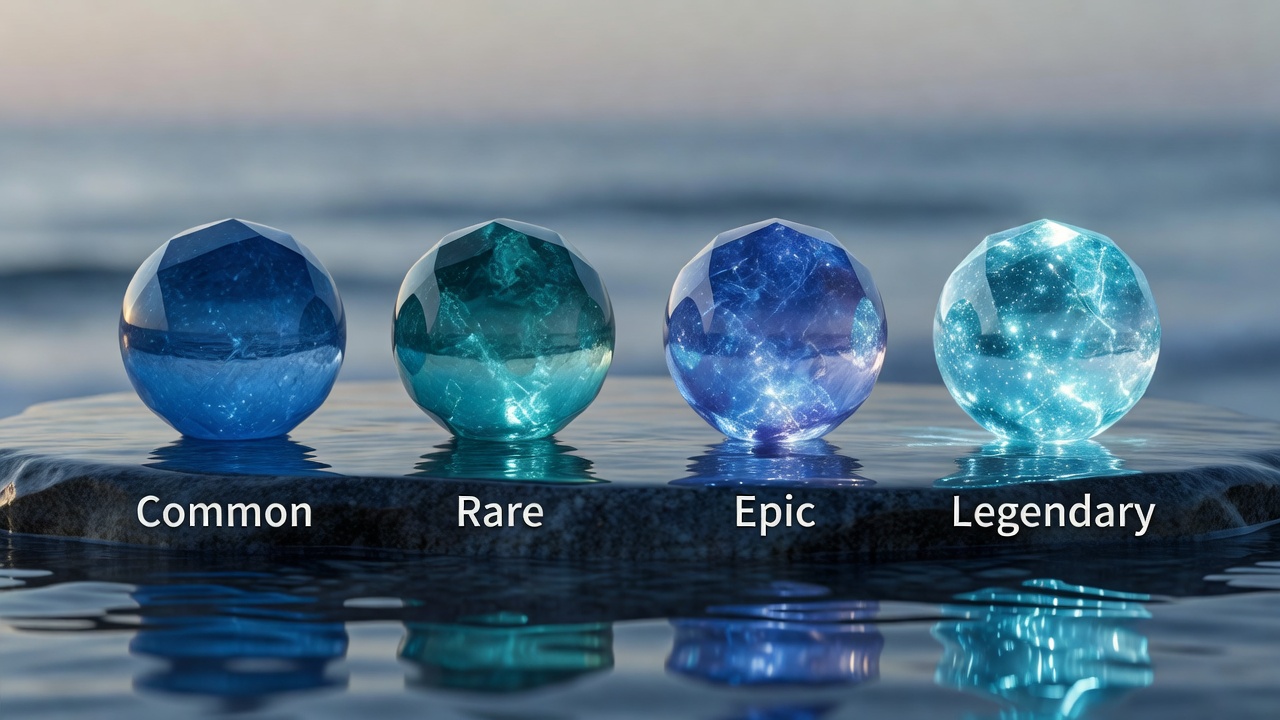
At the heart of every collectible RPG is the "summoning pool" or "banner." When a player initiates a summon, the game's server runs a Random Number Generator (RNG) algorithm against a predefined loot table. This table assigns a specific percentage chance to different rarity tiers.
Standard Rarity Distribution
A typical high-fantasy RPG utilizes visual color coding to represent the statistical rarity of a pulled unit. Here is a simulated breakdown of base probabilities:
The Safety Net: Pity Systems
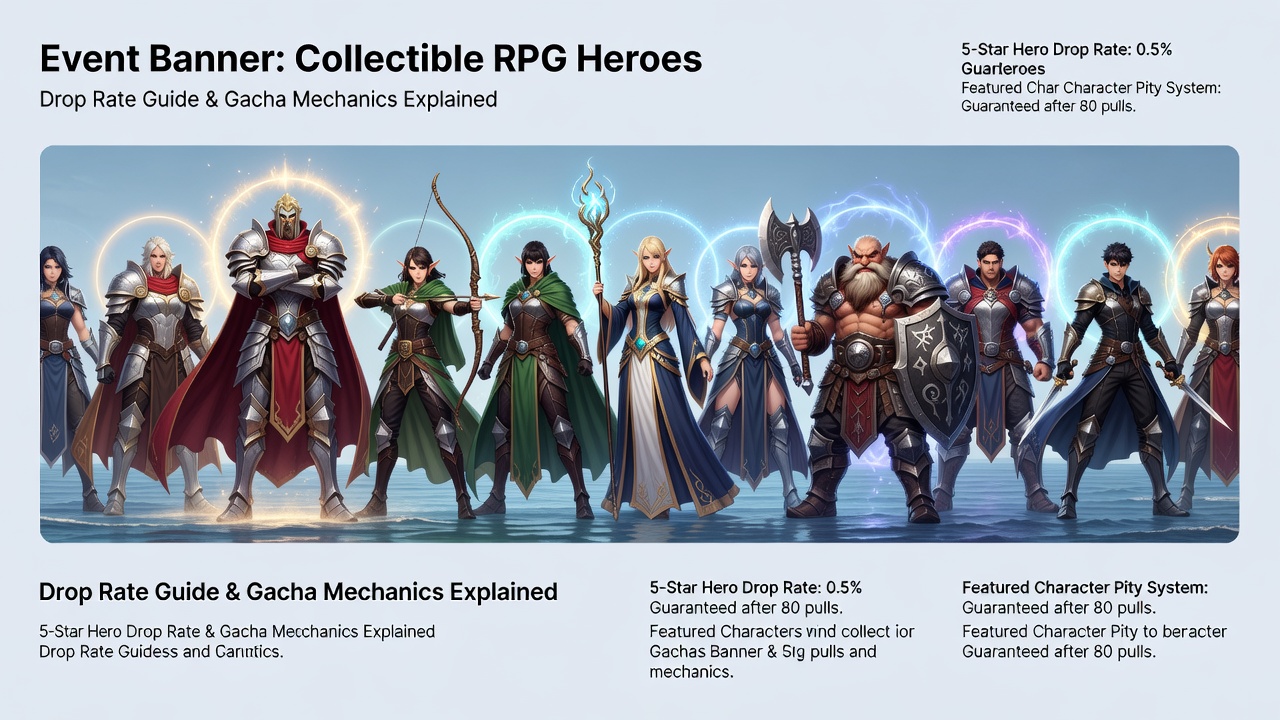
To mitigate extreme statistical variance (i.e., a player experiencing a massive streak of bad luck), developers introduced "Pity" algorithms. These systems artificially inflate the drop rate after a certain number of failed attempts.
- Soft Pity: After reaching a threshold (e.g., 70 summons without a Legendary), the base 1% chance begins incrementally increasing by a set percentage for every subsequent pull.
- Hard Pity / Guarantee: At a hard-coded limit (e.g., 90 summons), the algorithm forces the RNG to output a Legendary unit, resetting the pity counter to zero.
- Rate-Up Banner: When a specific Legendary unit is "featured," drawing a Legendary grants a 50% chance for it to be the featured unit. If the player loses this 50/50, their next Legendary is mathematically guaranteed to be the featured unit.
The Psychology of the Pull
The visual execution of the summon—the glow of the orb, the delay before the reveal, the dramatic sound effects—is designed to heighten the emotional impact of the RNG outcome. This is why understanding the cold mathematics behind the glowing lights is crucial for any player engaging with these systems.